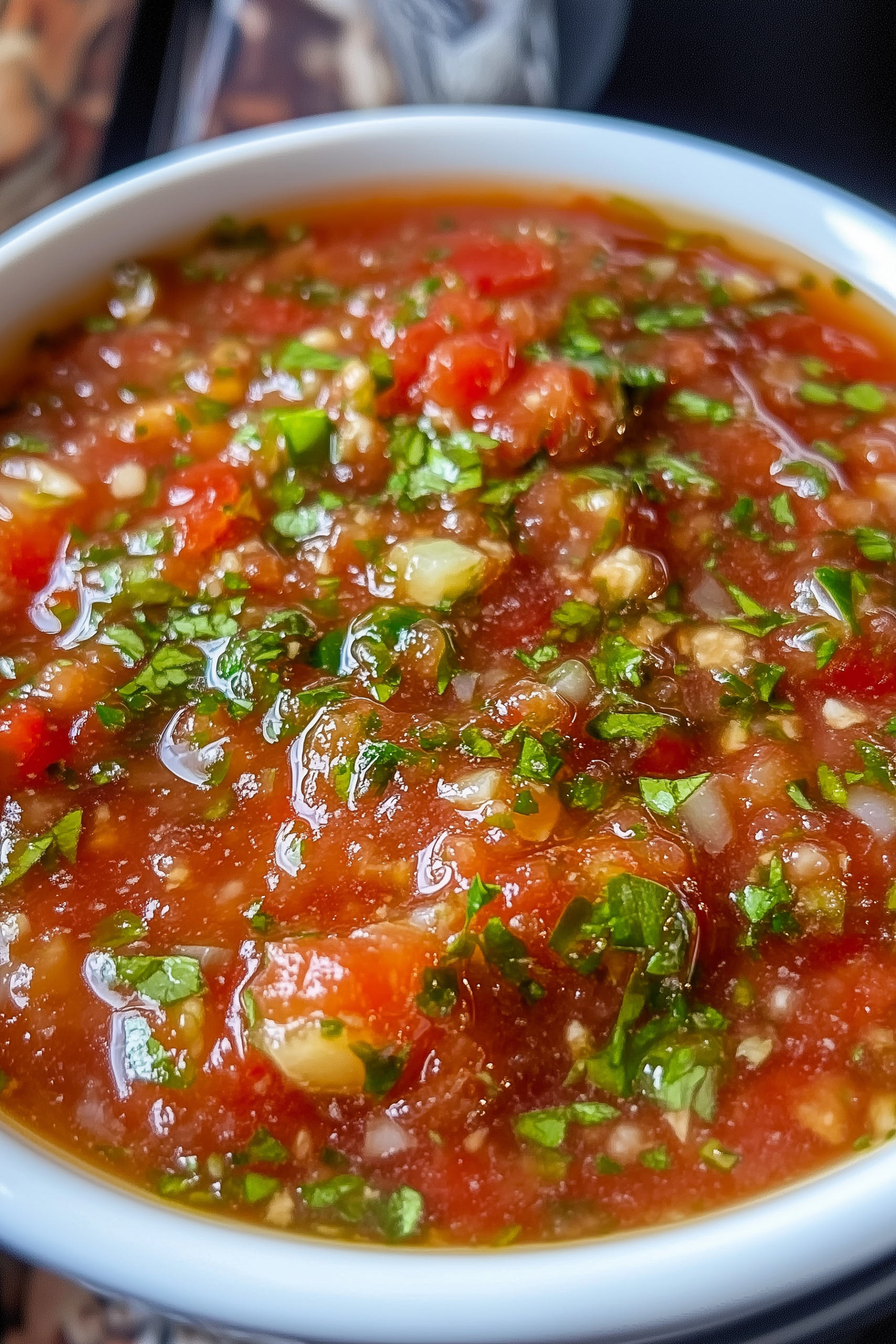
Achieve Restaurant-Quality Salsa: Your Easy Fresh Ingredients Guide
There's a universally acknowledged truth among food lovers: homemade salsa utterly surpasses anything you'll find in a jar. That vibrant, zesty, fresh taste that tantalizes your palate at your favorite Mexican restaurant or taco truck is not an unattainable culinary secret. In fact, crafting that restaurant-quality salsa right in your own kitchen is surprisingly simple, especially when you prioritize fresh, high-quality ingredients. Forget the dull, lifeless jarred versions; with a few fresh staples and some straightforward steps, you can create a dip that will have your guests reaching for more tortilla chips – and asking for your secret
easy homemade salsa recipe.
This guide will walk you through the essential components and techniques to master an incredible fresh salsa. Whether you're piling it high on tacos, nachos, scrambled eggs, or simply enjoying it by the spoonful with chips, this isn't just a snack; it's an experience. The beauty of this
no-cook homemade salsa is its pure, unadulterated freshness, a stark contrast to the often overly processed and preserved alternatives.
The Foundation: Why Fresh Ingredients are Non-Negotiable for the Best Salsa Recipe
The heart and soul of any truly spectacular salsa lie in its ingredients. While dried chiles and roasted vegetables can create amazing complex flavors for certain salsa types, for a bright, zesty, and refreshing experience, fresh is paramount. Think about the burst of flavor from a perfectly ripe tomato or the invigorating kick of freshly squeezed lime juice – these are the notes that elevate your homemade salsa from good to unforgettable.
Let's break down the key fresh components that form the backbone of this incredible
salsa recipe:
- Tomatoes: The Succulent Base
While any fresh tomato is a good start, for this particular fresh salsa recipe, Roma tomatoes are often hailed as the champions. Their "meatier" flesh means less water content, resulting in a richer, less watery salsa that holds its texture beautifully. If Romas aren't available, look for other small plum varieties. If using larger, juicier tomatoes like beefsteaks, you might want to de-seed them slightly to control the moisture. The quality of your tomatoes will directly impact the vibrancy and flavor of your finished product, so choose wisely!
- Onion and Garlic: The Aromatic Power Duo
These two ingredients provide essential depth and sharpness. A classic yellow onion offers a robust flavor, while red onion can lend a slightly sweeter, milder note and beautiful color. Pro tip: For a more mellow flavor without sacrificing the essential onion kick, rinse your chopped onion under cold running water for a minute or two before adding it to your food processor. This simple trick reduces some of its pungent bite, allowing its sweetness to shine through. Fresh garlic, of course, is non-negotiable for that unmistakable savory foundation.
- Lime Juice and Zest: The Zesty Brightness
This is where the "zesty" in our "zesty, fresh salsa" truly comes alive. Freshly squeezed lime juice provides an unparalleled tang and acidity that balances the sweetness of the tomatoes and the heat of the jalapeño. Don't skip the zest! The oils in the lime peel carry intense citrusy aroma and flavor that infuse the salsa with an extra layer of brightness, making the whole dish pop.
- Jalapeño: The Kick of Heat
For that signature spicy element, jalapeños are the go-to. Their heat level can vary, and you have full control over the intensity. The majority of the capsaicin (the compound responsible for the heat) resides in the seeds and the white membrane inside the pepper. If you prefer a milder salsa, remove both; for a moderate kick, leave some seeds; and for a spicier experience, include the whole jalapeño. For those extremely sensitive to spice, starting with half a jalapeño and tasting before adding more is a wise approach.
- Cilantro: The Fresh Herbaceous Note
Cilantro is often a love-it-or-hate-it herb, but for authentic fresh salsa, it's an absolute must for most palates. It imparts a distinctive fresh, herbaceous, and slightly peppery flavor that is synonymous with Mexican cuisine. Beyond flavor, its vibrant green flecks add visual appeal to your salsa. If you're one of the few who find cilantro soapy, you can omit it or substitute with a tiny pinch of fresh parsley, though the flavor profile will differ significantly.
- Cumin, Sugar, and Salt: The Flavor Harmonizers
These seasonings are crucial for bringing all the distinct flavors into harmony. Ground cumin adds an earthy warmth and complexity that rounds out the fresh, bright notes. A pinch of sugar might seem surprising, but it's a secret weapon that tames the acidity of the tomatoes and lime, balancing the overall flavor profile without making the salsa sweet. Finally, salt is the ultimate flavor enhancer. It makes all the other ingredients "pop," awakening their individual essences and uniting them into a cohesive, delicious whole. Always season to taste!
Crafting Your Masterpiece: How to Make This Easy Salsa Recipe
One of the most appealing aspects of this fresh salsa recipe is its simplicity. No complicated cooking steps or long simmering times are required. Your food processor will be your best friend in achieving that perfect chunky texture.
Here’s a step-by-step guide to making this simple yet sophisticated
salsa recipe:
- Prep Your Aromatics First: Begin by roughly chopping your onion. Place the chopped onion in a colander and rinse it thoroughly under cold running water for about a minute. This step, as mentioned, mellows its pungency. Transfer the rinsed onion to your food processor bowl along with your peeled garlic clove. Pulse these ingredients until they are finely chopped but not pureed. This ensures they are evenly distributed without over-processing the other ingredients later.
- Add the Remaining Fresh Ingredients: Now, add your diced Roma tomatoes, the prepared jalapeño (with or without seeds, depending on your spice preference), fresh cilantro, lime juice, lime zest, ground cumin, a pinch of sugar, and salt to the food processor bowl.
- Pulse for Perfection: This is the crucial step for achieving that signature chunky, restaurant-style texture. Instead of continuously blending, use short, quick pulses. You want the ingredients to be well combined and broken down, but still retain distinct pieces. Aim for a chunky consistency – think finely diced, not a smooth soup. Stop and scrape down the sides of the bowl as needed to ensure even processing.
- Taste and Adjust: Once you've reached your desired texture, transfer the salsa to a bowl. Now comes the fun part: tasting! Take a spoonful with a chip. Does it need more salt to brighten the flavors? More lime for tang? Another pinch of sugar to balance the acidity? Perhaps a bit more jalapeño for an extra kick? Adjust the seasonings to your personal preference.
- Chill (Optional, but Recommended): While delicious immediately, allowing the salsa to chill in the refrigerator for at least 30 minutes (or even an hour) lets the flavors meld and deepen, resulting in an even more harmonious and delicious experience.
No Food Processor? No Problem!
If you don't have a food processor, you can still make this
salsa recipe. A blender works, but be extra cautious not to over-blend; use very short pulses and check frequently. For the most rustic and hands-on approach, finely dice all your ingredients by hand. It takes a bit more time but results in a beautiful, artisanal texture.
Elevating Your Homemade Salsa: Tips, Customizations, and Serving Suggestions
Making great salsa is just the beginning. With a few extra insights, you can consistently achieve perfection and even branch out into exciting variations.
Mastering Spice and Texture
- Customize Your Heat: The beauty of homemade salsa is tailoring it to your palate. As mentioned, starting with half a jalapeño and removing the seeds is a good baseline for mild spice. You can always blend in more small pieces of jalapeño (or even a spicier serrano pepper) if you decide you want more heat. For an extra layer of flavor and heat, consider adding a pinch of chipotle powder for a smoky dimension.
- Texture is Key: Remember the "gazpacho vs. chunky salsa" dilemma. The key to restaurant-quality fresh salsa is its chunky texture. Pulsing the onion and garlic first ensures they are finely minced without over-processing the softer tomatoes. Always use short pulses with the remaining ingredients to avoid a pureed consistency. You want to see distinct pieces of tomato, onion, and cilantro throughout.
Beyond the Basic: Creative Customizations
While this base
salsa recipe is phenomenal, don't hesitate to experiment:
- Seasonal Swaps: In winter, when fresh tomatoes are less flavorful, consider using canned fire-roasted diced tomatoes for a deeper, smokier base. Or, for a different twist, roast your tomatoes and other vegetables like tomatillos (for a salsa verde) or bell peppers before adding them to the food processor.
- Add-ins: For a heartier salsa, consider adding grilled corn kernels, black beans, diced avocado, or even finely chopped mango for a sweet and savory kick.
- Smoky Notes: A tiny dash of smoked paprika or a finely minced chipotle in adobo sauce can introduce a delightful smoky complexity that pairs wonderfully with the fresh ingredients.
How Long Does Homemade Salsa Last?
This fresh salsa is best enjoyed within 3 days when stored in an airtight container in the refrigerator. While it tastes fantastic immediately, allowing it to chill for an hour or two really helps the flavors meld and mature, often making it even more delicious.
Serving Your Creation
Of course, tortilla chips are the classic pairing, but don't limit yourself! This versatile fresh salsa is spectacular with:
- Tacos, burritos, and quesadillas
- Grilled chicken, fish, or steak
- Scrambled eggs or breakfast burritos
- As a topping for baked potatoes or sweet potatoes
- Mixed into a simple rice bowl or grain salad
The Unbeatable Joy of Homemade Fresh Salsa
Stepping away from jarred salsa and embracing the world of homemade fresh salsa is a culinary revelation. It's an easy, rewarding process that yields incredibly vibrant flavors far superior to any store-bought alternative. This guide has provided you with the essential fresh ingredients, simple steps, and invaluable tips to achieve that coveted restaurant-quality taste right in your own kitchen. So, gather your fresh ingredients, grab your food processor, and get ready to experience the pure, unadulterated joy of a truly spectacular, zesty, and fresh
salsa recipe. Your taste buds (and your guests) will thank you!